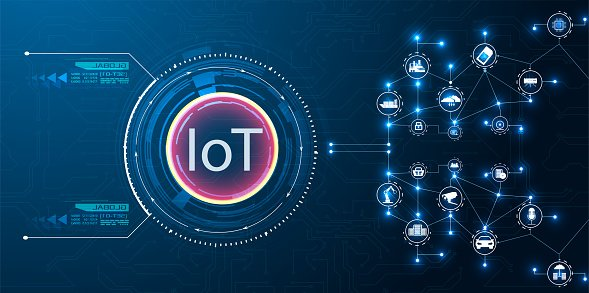
The Internet of Things (IoT) has been heralded as the next technological revolution, connecting everyday objects to the digital world. This transformative technology is now seamlessly integrated into mobile apps, offering a myriad of benefits and innovative possibilities. In this blog, we’ll explore how IoT integration in mobile apps is bridging the gap between the physical and digital realms in under 400 words.
What is IoT Integration?
IoT integration involves connecting physical devices, sensors, and systems to the internet, allowing them to communicate and share data. Mobile apps serve as the gateway to access and control these IoT-enabled devices, creating intelligent, connected ecosystems.
Enhanced Convenience and Efficiency
IoT integration in mobile apps enhances convenience and efficiency in various domains:
- Smart Homes: Mobile apps can control thermostats, lights, security cameras, and appliances remotely. Users can set schedules, monitor energy consumption, and receive alerts, making their homes more comfortable and energy-efficient.
- Healthcare: IoT-enabled wearable devices transmit real-time health data to mobile apps. Patients can monitor their vitals, and healthcare providers can offer remote diagnostics and personalized care.
- Transportation: Mobile apps connected to IoT sensors in vehicles provide real-time updates on maintenance needs, location, and driver behavior. This data aids in fleet management and enhances safety.
Improved Decision-Making Through Data
IoT integration enables mobile apps to collect and analyze vast amounts of data from connected devices. This data-driven approach facilitates:
- Predictive Maintenance: Businesses can preemptively address equipment failures, reducing downtime and maintenance costs.
- Environmental Monitoring: Mobile apps equipped with IoT sensors can track air quality, weather conditions, and more, aiding in environmental conservation efforts.
- Inventory Management: Retailers can monitor stock levels in real-time, reducing wastage and ensuring products are always in stock.
Challenges and Considerations
While IoT integration offers numerous advantages, it comes with challenges:
- Security: Ensuring the security of IoT devices and data is paramount. Mobile apps must employ robust encryption and authentication mechanisms.
- Scalability: As the number of IoT devices grows, mobile apps must be designed to handle increasing data volumes and device connections.
- Interoperability: IoT devices often come from various manufacturers. Mobile apps must support multiple protocols and standards to ensure compatibility.
Future Potential
IoT integration in mobile apps is continually evolving. Future possibilities include:
- 5G Integration: The rollout of 5G networks will enable faster and more reliable communication between IoT devices and mobile apps.
- Edge Computing: Processing data at the edge, closer to IoT devices, will reduce latency and enhance real-time decision-making.
- AI and Machine Learning: IoT data combined with AI and machine learning will enable predictive analytics and automation on a grand scale.
In conclusion, IoT integration in mobile apps is ushering in a new era of connectivity and convenience. By seamlessly connecting the physical world to the digital realm, these apps are improving daily life, optimizing industries, and opening doors to innovative possibilities that were once unimaginable. Developers who embrace IoT integration are at the forefront of this technological revolution.